
Understanding the psychology behind gambling behavior and decision-making
The Allure of Gambling
Gambling captivates individuals with its promise of excitement and potential financial rewards. The thrill of risking money on uncertain outcomes can trigger a rush of adrenaline, creating a compelling experience for players. This excitement often overshadows the risks associated with gambling, drawing people into a cycle of repeated play. To explore an engaging platform, consider visiting jackpotluckcasino.net, where understanding why this allure exists is crucial to comprehending gambling behavior.

Psychologically, the anticipation of winning can lead to increased dopamine release in the brain, which is similar to the response triggered by other forms of pleasure. This chemical reaction fosters a desire to repeat the activity, creating a loop of behavior that can be hard to break. Players often find themselves chasing losses, believing that their luck will eventually change, which further complicates their decision-making process.
Cognitive Biases in Gambling
One significant aspect of gambling behavior is the presence of cognitive biases that influence decision-making. For instance, the illusion of control is a common phenomenon where players believe they can influence the outcome of games that are fundamentally based on chance. This belief can lead to poor decision-making as players overestimate their skills and underestimate the randomness of outcomes.
Another cognitive bias is the gambler’s fallacy, where individuals believe that past results will affect future outcomes. For example, a player may think that a slot machine is “due” for a win after a series of losses, leading them to invest more money. These biases distort reality and can significantly impact how individuals approach gambling, often resulting in irrational choices and financial losses.
The Role of Emotions in Gambling Decisions
Emotions play a pivotal role in gambling behavior, often influencing decisions more than logical reasoning. Players may gamble to escape negative emotions such as stress or anxiety, seeking a temporary reprieve through the thrill of the game. This emotional connection can lead to compulsive gambling as individuals use gambling as a coping mechanism, which may exacerbate their emotional turmoil in the long run.
Conversely, positive emotions, such as excitement from a win, can reinforce the gambling habit. The euphoric feelings that accompany wins create a desire for repeat experiences, fueling a cycle of behavior that can escalate over time. Recognizing the interplay between emotions and gambling is vital for understanding why individuals may struggle to control their gambling behavior.
Social Influences on Gambling Behavior
Social factors also significantly influence gambling behavior. Peer pressure can lead individuals to participate in gambling activities, especially in social settings like casinos or online platforms. The desire to fit in or impress friends can drive people to gamble more than they typically would, which can alter their decision-making processes.
Moreover, the rise of online gambling communities has further amplified social influences. Players often share experiences, wins, and strategies, which can create a sense of belonging but may also promote unhealthy gambling behaviors. Understanding the social context of gambling is essential for addressing its impact on individual decision-making and overall behavior.
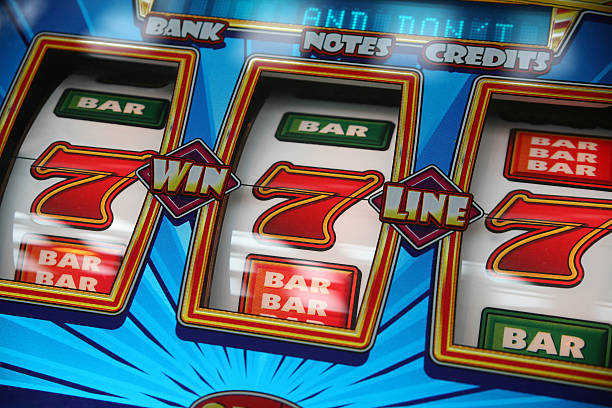
Jackpot Luck Casino: A Balanced Approach to Gaming
Jackpot Luck Casino exemplifies an environment that prioritizes player experience while promoting responsible gaming. With over 2,000 online slots and table games, the platform offers diverse options for all types of players, from high rollers to casual gamers. Its user-friendly interface and transparent bonus structures make it easy for players to navigate, enhancing their overall enjoyment.
Moreover, Jackpot Luck Casino integrates responsible gambling tools, ensuring that players can monitor their gaming habits. This commitment to player welfare, combined with engaging promotional offerings, positions the casino as a supportive space where enjoyment and responsibility coexist. By understanding the psychology behind gambling behavior, players can make informed decisions and foster a healthier relationship with gaming.
Bir yanıt yazın